


Pool Inspection Cost and Checklist for Texas Home Buyers
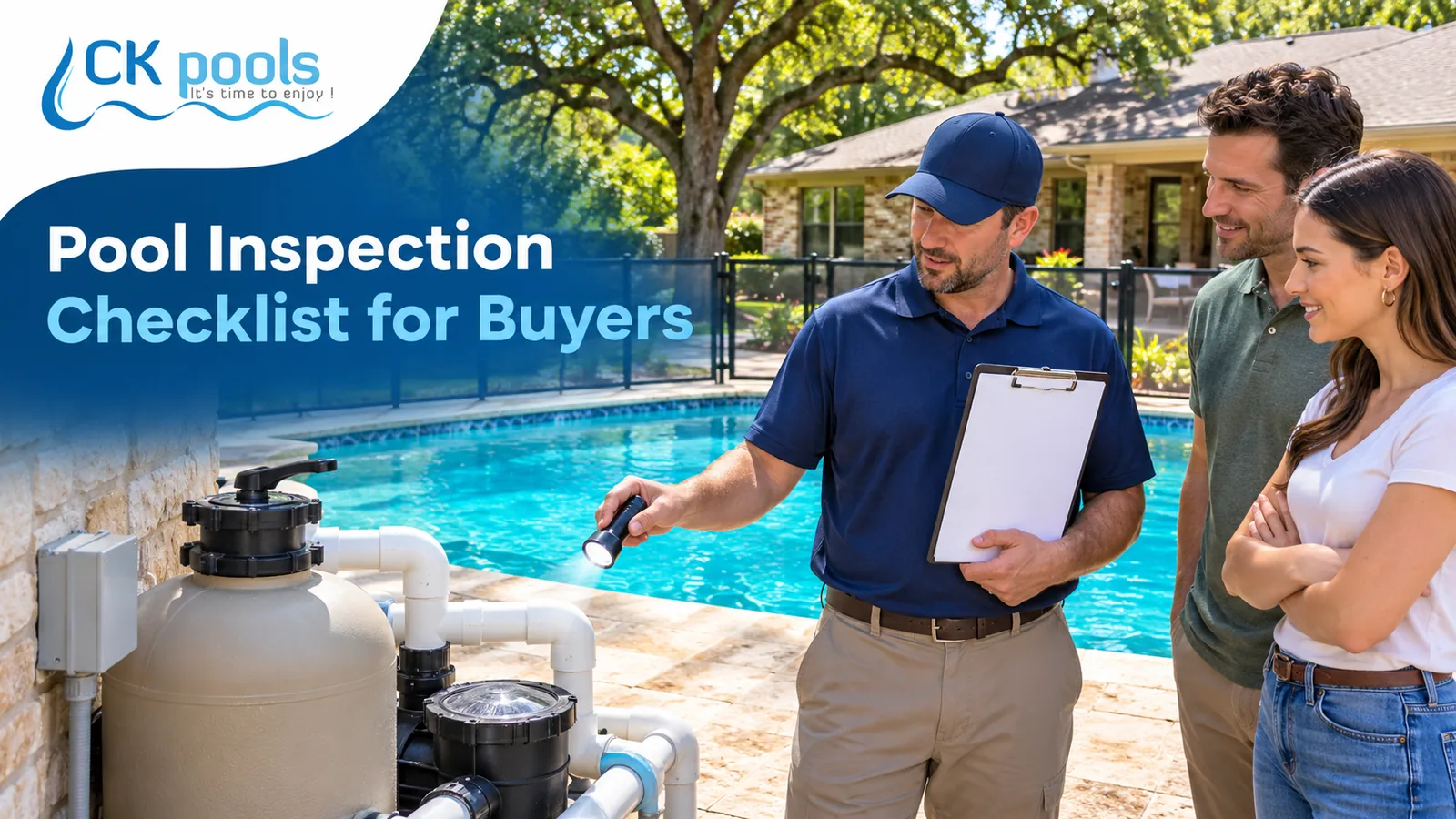
Buying a home with a pool in Texas is exciting. It can also be expensive if hidden problems come with it. A cracked shell, a failing heater or a leaking pipe can turn a dream backyard into a large repair bill in your first summer. A professional pool inspection helps you know what you are buying before you close.
Key Takeaway: A pool inspection is separate from a general home inspection. A pool pro tests equipment, checks for cracks and leaks, reviews safety features and looks at water quality. It usually costs far less than a single surprise repair and gives you facts to negotiate with during your option period.
This guide explains what a pool inspection covers, why a general home inspection is not enough, a full checklist you can use, red flags to watch for, and what affects the cost.
Why a General Home Inspection Is Not Enough
Home inspectors cover the whole house, so many only give the pool a quick visual check. They may note that the pump turns on and the water looks clear. They often do not:
- Run and test the heater
- Pressure-test plumbing lines
- Pull the light to check for water inside
- Check bonding and grounding
- Evaluate plaster for hollow spots
- Judge the remaining life of equipment
A dedicated pool inspection goes deeper. It focuses on the systems that cost the most to fix.
When to Schedule a Pool Inspection
Schedule it during your option period, right after your offer is accepted. That gives you time to get repair quotes and negotiate with the seller. Ask the seller to make sure the pool is filled, the equipment has power, and gates are unlocked on inspection day.
The Complete Pool Inspection Checklist
Structure and surface
- Cracks in plaster, gunite, tile or coping
- Hollow or delaminating plaster (checked by tapping)
- Rough, stained or etched finish
- Loose, missing or cracked tile
- Coping that is loose or separating from the deck
- Deck cracks, settling or trip hazards
- Signs of soil movement around the pool
Equipment
- Pump and motor: noise, leaks, flow, age
- Filter: type, condition, pressure, cartridge or sand age
- Heater or heat pump: does it fire or run, any leaks, rust or soot
- Salt system: cell condition and output
- Automation and timers: working and set correctly
- Valves and plumbing at the pad: leaks, cracks, sun damage
- Cleaner: working or not
Plumbing
- Visible leaks at the equipment pad
- Air in the system (bubbles in pump basket or returns)
- Pressure test of lines, if included
- Skimmers, returns and drains in working condition
Electrical
- Lights working, no water inside the fixture
- GFCI protection
- Bonding and grounding visible where expected
- Wiring condition at the equipment pad
Safety
- Fence height and condition
- Self-closing, self-latching gates
- Door alarms or safety covers where required
- Anti-entrapment drain covers
- Safe steps, rails and ladders
Water
- Clarity and color
- Basic chemistry: chlorine, pH, alkalinity
- Signs of algae, scale or staining
Red Flags That Can Cost Thousands
- Water loss with no clear cause: could mean a leak in the shell or plumbing.
- Equipment near end of life: pumps, heaters and filters are expensive to replace all at once.
- Rough or failing plaster: resurfacing may be needed soon.
- Structural cracks: may need engineering review.
- Freshly painted or refilled pool: sometimes hides problems. Ask questions.
- Green or recently cleared water: may point to ongoing issues.
Texas-Specific Things to Watch
Clay soil (Dallas-Fort Worth and parts of Houston)
Soil movement causes cracked decks, coping separation and skimmer leaks.
Hard water (Austin and San Antonio)
Heavy scale on tile, plaster, heaters and salt cells.
Coastal conditions (Houston, Baytown, Corpus Christi)
Humidity and salt air can corrode equipment and electrical parts faster.
Freeze damage
Older pools may have plumbing damaged by past hard freezes.
Trees (Spring, Dallas and older neighborhoods)
Heavy leaf drop affects filters and pumps, and roots can damage plumbing.
What Affects Pool Inspection Cost?
- Pool size
- Attached spa
- Number and type of equipment
- Whether pressure testing or leak detection is included
- Travel distance
Even a thorough inspection usually costs far less than replacing one major piece of equipment.
What You Get After the Inspection
A good pool inspection includes a written report with photos, a list of issues ranked by urgency, and recommended repairs. That report helps you:
- Ask the seller for repairs or credits
- Budget for the first year of ownership
- Plan maintenance and upgrades
After You Buy: First Steps for New Pool Owners
- Get the water tested and balanced.
- Clean or replace filter media.
- Learn your equipment and timer settings.
- Set up weekly service or a care routine.
- Fix any safety issues right away.
Read what to know before you buy a home with a pool in Texas and what weekly pool service includes.
How CK Pools Inspects Pools
Our pool inspection service checks structure, equipment, plumbing, electrical and safety, then delivers a clear written report with photos. We explain what is urgent and what can wait, so you can make a confident decision. If leaks are suspected, we can add pool leak detection.
Pool Inspection for Sellers
Inspections are not only for buyers. If you plan to sell, a pre-listing pool inspection shows you what a buyer's inspector will find. You can fix small issues on your own schedule and budget, instead of negotiating credits under deadline pressure. A clean report can also be shared with buyers to build confidence.
Common Findings on Texas Home Inspections
Here is what our technicians see most often when inspecting pools for sale:
- Pumps and motors at or past typical lifespan, often noisy or leaking at the seal
- Heaters that will not fire, or that have scaled or corroded heat exchangers
- Cartridge filters that need replacing, or sand that has not been changed in years
- Salt cells with heavy scale or near the end of their life
- Pool lights that do not work or have water inside the fixture
- Skimmer cracks from soil movement
- Gates that do not self-close or self-latch
- Plaster that is rough, stained or due for resurfacing within a few years
Most of these are fixable. The value of the inspection is knowing about them before you sign.
Questions to Ask the Seller
- How old is the pool, and when was it last resurfaced?
- How old are the pump, filter and heater?
- Have there been any leak repairs?
- Who serviced the pool, and are there service records?
- Was the pool affected by any hard freezes?
- Are there any warranties that transfer?
Service records with chemical readings, like the digital reports we send after every visit, tell you a lot about how well a pool has been cared for.
Budgeting for Your First Year With a Pool
Plan for weekly service or chemicals, electricity for the pump, water top-offs in summer, filter cleaning, and a repair reserve for equipment. If the inspection shows older equipment, set aside more.
Pool Inspection for Commercial and HOA Pools
Community, HOA and commercial pools face extra rules on drain covers, signage, fencing, water testing logs and health inspections. A professional inspection helps managers find issues before a health inspector does. See commercial pool maintenance and compliance in Texas.
Is the Pool Worth Keeping?
Some buyers wonder if they should remove an old pool. Removal is costly and does not always raise home value. In most cases, repairing and maintaining a sound pool makes more sense. An inspection tells you whether the shell is solid enough to justify that investment.
Why Texas Homeowners Choose CK Pools
CK Pools is a family-owned Texas pool company with 37+ years of hands-on experience and more than 4,000 completed projects. Our crews work routes in Houston, Spring, Dallas-Fort Worth, Austin, San Antonio, Baytown and Corpus Christi, so we know how coastal humidity, hard water, heavy tree cover and clay soil each affect a pool.
- Green-Free Guarantee: if your pool turns green while under our weekly care, we fix it at no extra cost.
- Digital service reports: photos and chemical readings after every visit, so you always know what was done.
- No surprise charges: we never make a repair without your approval.
- Real people on the phone: call us directly at (281) 257-6657. No outsourced call center.
Ready to hand it off? Request a free pool service quote or compare our Full and Partial Pool Service Plans.
Frequently Asked Questions
When should I schedule a pool inspection?
During your option period, right after your offer is accepted.
How long does a pool inspection take?
Usually 1 to 2 hours depending on equipment and tests.
Do I get a written report?
Yes. A good inspection includes a written report with photos and recommended repairs.
Can a pool inspection find leaks?
A visual inspection can spot signs of leaks. Pressure testing or full leak detection finds hidden ones.
Should I inspect a pool that looks perfect?
Yes. Clear water does not tell you about equipment age, hidden cracks or plumbing.
Can I negotiate repairs based on a pool inspection?
Yes. A written report with photos gives you clear facts to ask for repairs or a credit during your option period.
Sources
About the Author
Written by the CK Pools Service Team
CK Pools is a family-owned Texas pool company with 37+ years of hands-on experience and more than 4,000 completed projects across Houston, Spring, Dallas-Fort Worth, Austin, San Antonio, Baytown and Corpus Christi. Our technicians test, clean and repair pools every week, and every article is reviewed by our field team. Questions? Call (281) 257-6657.

A professional pool inspection checks the shell, equipment, plumbing, safety features and water. It is a small cost compared to the repairs it can uncover before closing.


